
Episode 3: The Technisches Hilfwerk (THW)
Germany’s federal civil protection organisation gives us an insight into what really matters in real world use of the dual fuel system.
To start, could you give us a brief overview of your organization and the activities you are contributing to the RESCUE project?
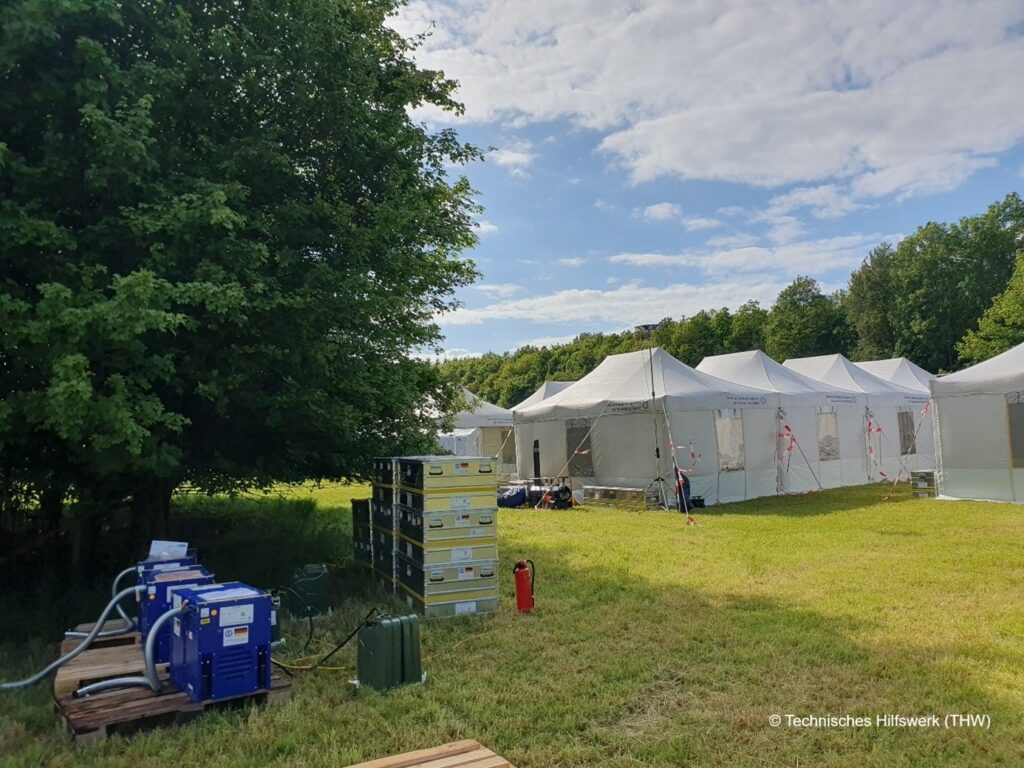
The Technisches Hilfswerk (THW) is Germany’s federal civil protection organization, providing technical and logistical support in disaster response. Within the RESCUE project, we contribute as end-users by defining operational requirements, validating system concepts, and ensuring that the developed solution meets real-world deployment needs. Our role is to bring practical field experience into the design and evaluation process and to promote renewable mobile energy solutions within first responder organisations.
In the middle of a disaster response, what does a reliable power source mean for your teams on the ground?
A reliable power source is absolutely critical. It enables the operation of essential infrastructure such as search and rescue equipment, communication systems, lighting, water treatment, and medical support. In many scenarios, power availability directly determines how quickly and effectively we can stabilize a situation and support affected populations.
What are the first things you look for when testing a new technology like the dual fuel HT-PEM system in real operations?
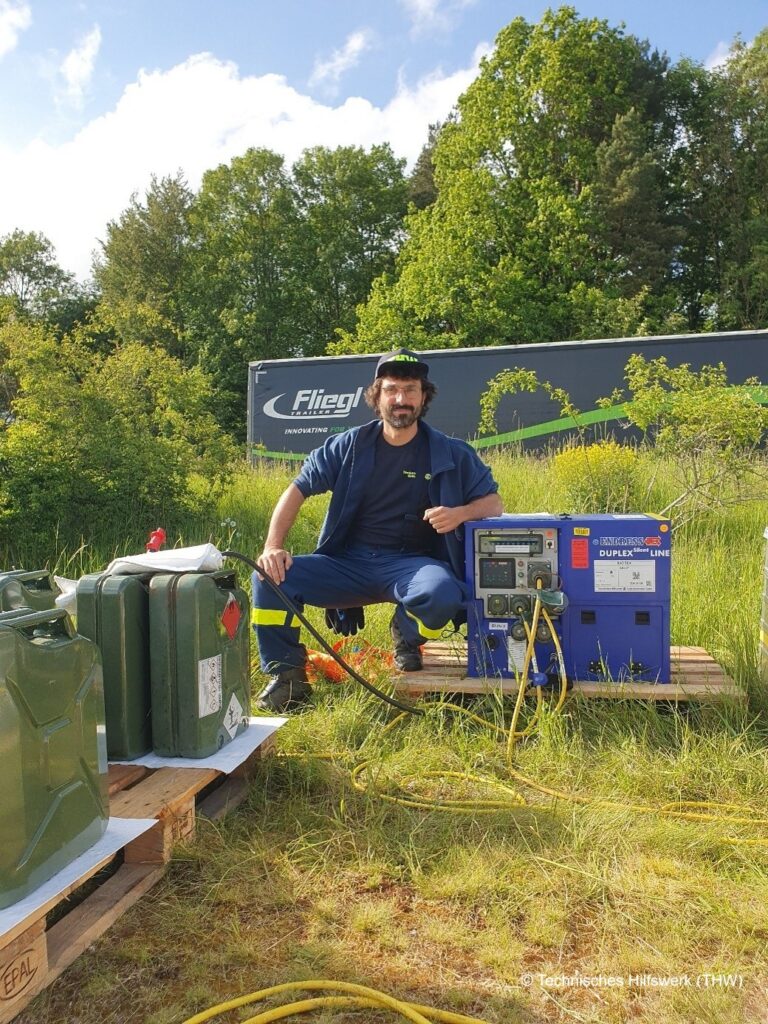
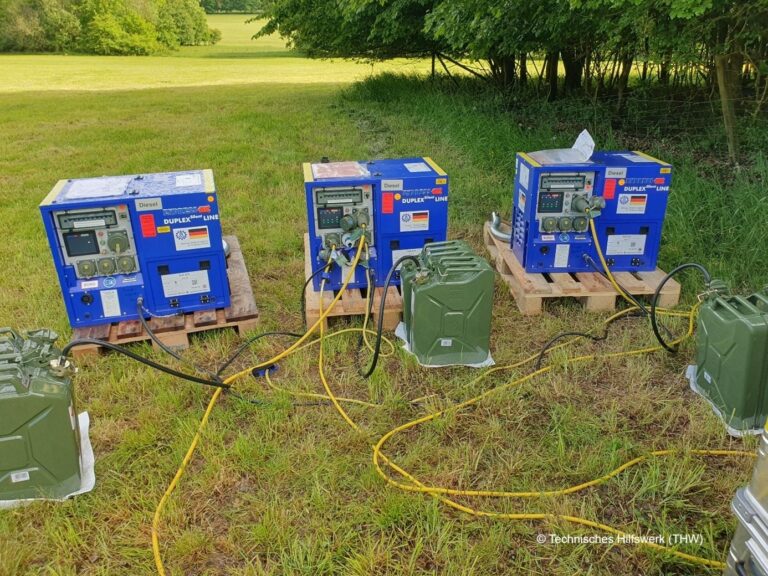
We focus on reliability, ease of deployment, and compatibility with existing workflows. Setup time, robustness under harsh conditions, and intuitive operation are key factors. Additionally, we assess how well the system integrates into our logistics, including fuel handling, transport, and maintenance requirements. A key advantage is that Methanol, as a fuel, can be handled in a manner highly analogous to conventional fuel logistics. As a result, the proven tank logistics can be adopted almost entirely, and established procedures do not need to be altered.
Can you share a scenario where this dual fuel HT-PEM technology could truly change the outcome of a mission?
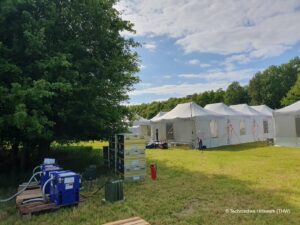
In a large-scale flood scenario, where infrastructure is severely damaged and access is limited, a system like this could provide continuous, low-noise, and flexible power over an extended period. Its ability to operate with different fuels and reduced logistical effort could significantly improve operational endurance and allow us to support critical infrastructure more efficiently.
Consortium
DLR Institut für Technische Thermodynamik, DLR Institut für Vernetzte Energiesysteme, Advent Technologies Holdings, Inc., Centre for Research & Technology Hellas (CERTH), Bundesanstalt Technisches Hilfswerk, DTU – Technical University of Denmark and ProAct.
Funding
Project RESCUE with Grant Agreement number 101192169. Supported by Clean Hydrogen Partnership and its members. Co-funded by the European Union.
Please Note